


Five pressure washing mistakes that ruin paving
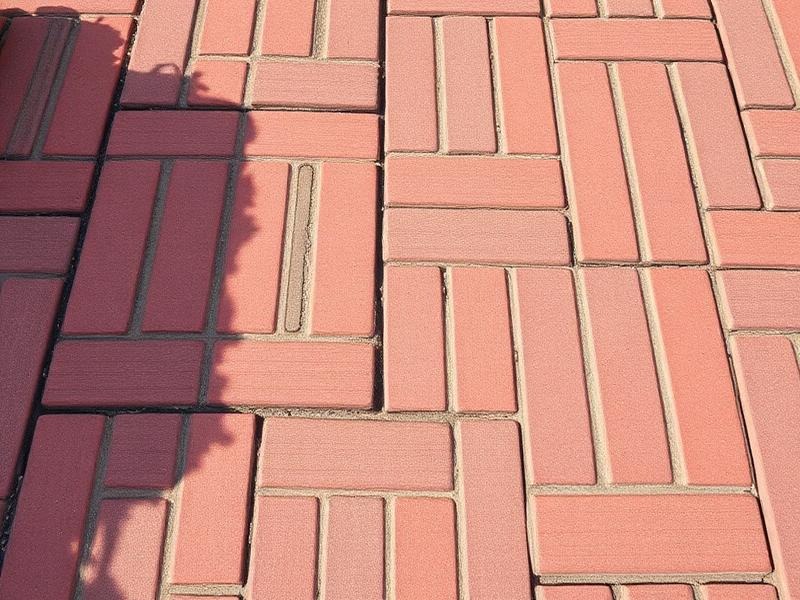
Blown joints, lance marks and pitted slabs are avoidable. Here is what to do differently. Most paving damage we see is caused by too much pressure held too close, plus a failure to re-sand afterwards. Keep the lance moving, work at a consistent distance, use a rotary surface cleaner where possible and always replace jointing […]
Stopping moss coming back over winter

A single autumn application of biocide saves a full clean in spring. Timing and dilution explained. Moss establishes in autumn when surfaces stay damp. Treating in September or October kills spores before they take hold. Apply diluted biocide on a dry day, leave it in place and do not rinse — the residual film is […]
Matt, satin or wet look: choosing the right patio sealer
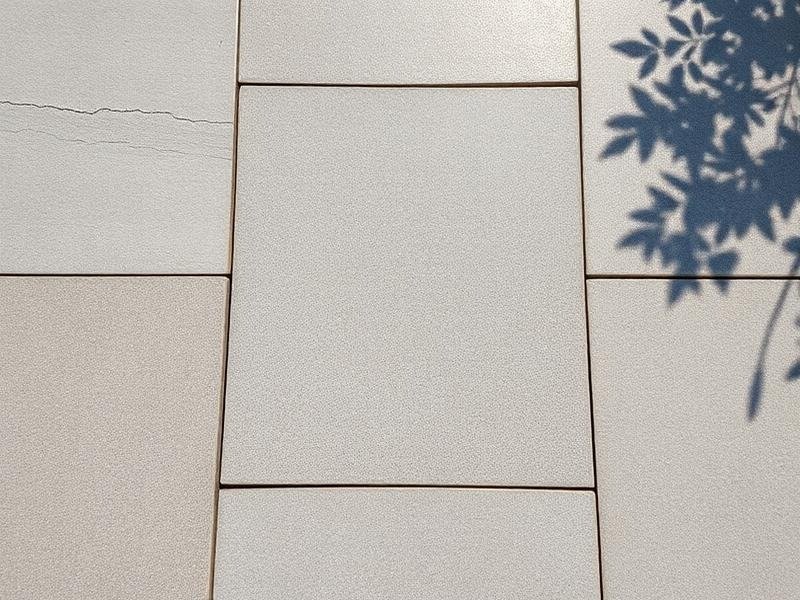
A plain-English comparison of the three finishes, with the surfaces each one suits best. Matt sealers protect without changing appearance — the safe default for concrete block paving. Satin adds a slight sheen and a little colour depth. Wet look strongly enhances colour and suits riven sandstone and slate, but shows wear sooner in high […]
Getting oil stains out of a concrete driveway

Why detergent fails on old oil, and how a poultice gel pulls the stain back out of the slab. Detergent lifts oil off the surface but leaves everything that has soaked in. Concrete is porous, so an old drip mark can be several millimetres deep. A poultice gel is the answer: it sits on the […]
How to remove black spot lichen from a patio (without damaging the stone)
Black spot will not pressure wash off. Here is the method our trade customers use on sandstone and limestone, step by step. Black spot is a lichen, not dirt. It roots into the top few millimetres of the stone, which is why a pressure washer only removes the surface colour and leaves a grey shadow […]
When should you seal new block paving?

Sealing too early traps moisture and causes a hazy finish. Here is the timing that actually works in the UK climate. New block paving needs time to weather so that efflorescence — the white salt bloom pushed out by the curing process — can work its way out. Sealing over it locks it in permanently. […]
Hello world!
Welcome to WordPress. This is your first post. Edit or delete it, then start writing!